
Shri Gajanan Maharaj
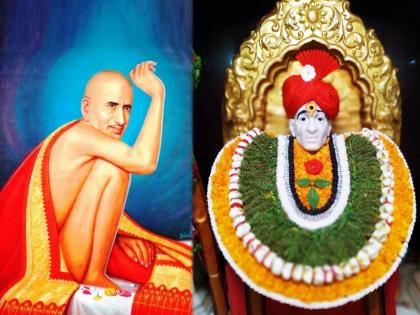
Our family is blessed enough to be visited by Shri Gajanan Maharaj of Shegaon himself at the ancestral wada, where he spent 6 months. Same has been mentioned in the granth Shri Gajanan Vijay by Dasganu Maharaj.
Shri Sai Baba
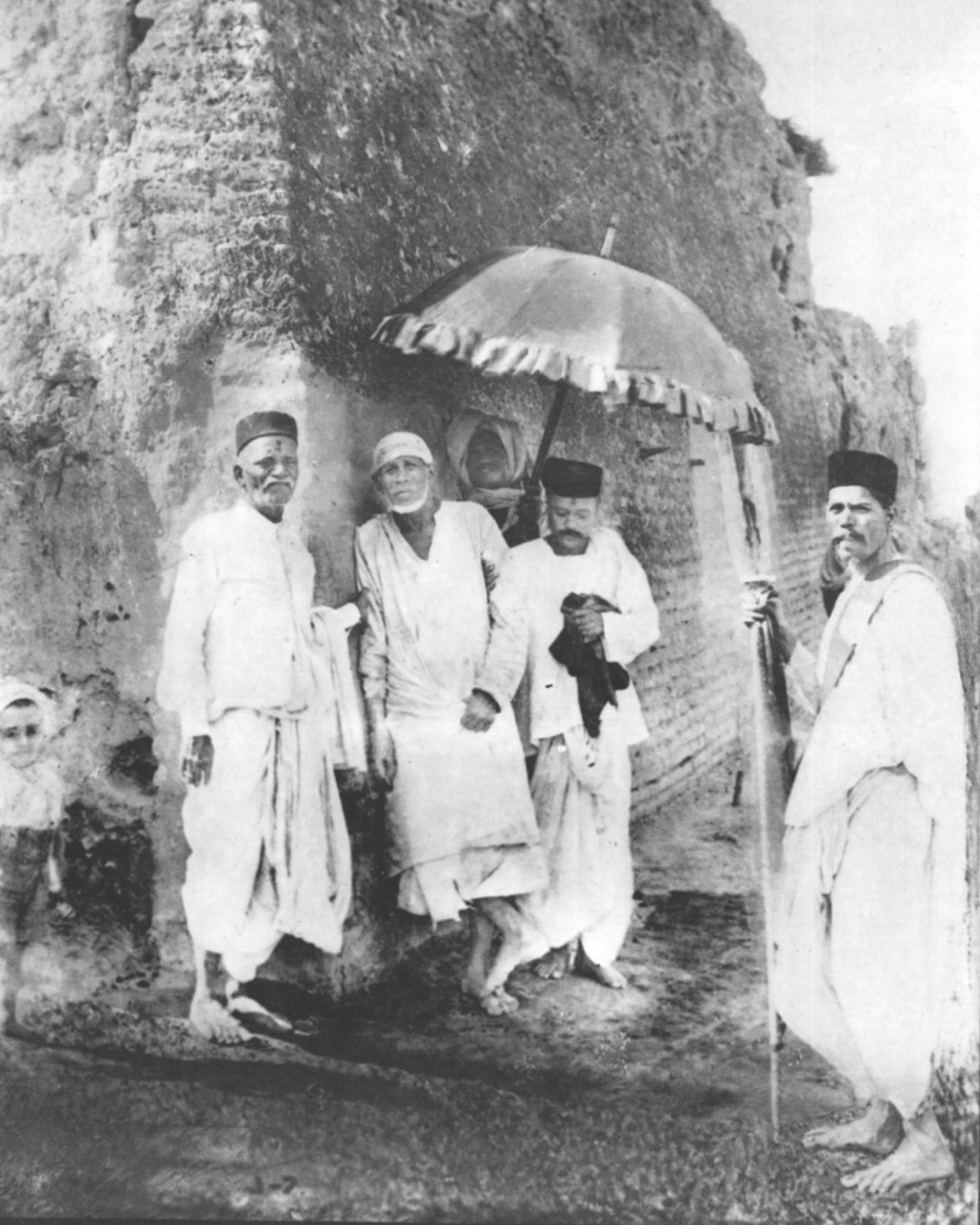
Bapusaheb Buty (Gopalrao Buty) was a devotee of Shri Sai Baba of Shirdi as well, in the above photo he is standing immediately to the left of Baba. He decided to reside at Shirdi. Gopalrao Buty has also witnessed the Sai Leela (miracles) many times during his service to Baba but the below incidences are worth mentioning:
He was cured from dysentery and vomitting. His cupboard was full of patent drugs and medicines; but none of them had any effect.
Rescued from serpent bite.
Construction of wada after baba appeared in his dream. He started construction of a Wada which was like a Palacial Mansion. A lot of money was spent on this building, but it was all well utilized, as Sai Baba’s Body is resting in this Wada, which is now called the ‘Samadhi Mandir’ or 'Butiwada'. The site of this Mandir formerly had a garden, which was watered and looked after by Baba. (Below's the story of how the idea for the wada came to be).
Bapusaheb Buty, a multi-millionaire from Nagpur, became a devoted follower of Shri Sai Baba. For a long period of time he stayed in Shirdi and served Baba. Baba affectionately called him "Butayya." Buty once suffered a severe illness that conventional medicine couldn't cure. Baba miraculously healed him with a single command. Later, Buty and another devotee, Shama, shared a dream where Baba instructed them to build a wada with a temple. With Baba's blessing, Buty began construction of the wada. Buty initially intended to install a Muralidhar idol in the sanctum. However, as Baba's health declined, Buty became disheartened, fearing Baba wouldn't be able to grace his wada and the temple. Before his passing, Baba expressed his wish to be placed in the wada. Thus, the "Butiwada," initially intended for Muralidhar, became Shri Sai Baba's Samadhi Mandir, fulfilling Baba's words and comforting Buty. Buty then chaired the committee that managed the Samadhi and engaged Dixit to care for it. His dedicated service culminated in the Butiwada becoming Baba's final resting place. Gopalrao Buty passed away in 1921.
The above paragraph is restructured from an incidence written in the Pothi of Sai Baba. The paragraph is restructured to be easily understood, to read it in original words, please refer the original Pothi or visit https://www.sai.org.in/sites/default/files/sai-charitra-english-complete-book.pdf at CHAPTER XXXIX & L Page 210.
Buty Wada/ Samadhi Mandir (1918)
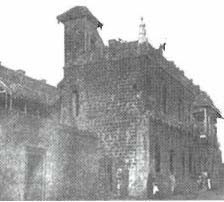
Buty Wada/ Samadhi Mandir (1947)
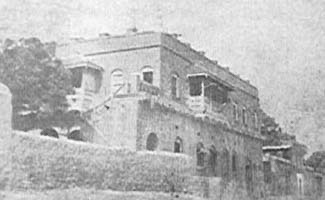
Buty Wada/ Samadhi Mandir (Present Day - 2025)
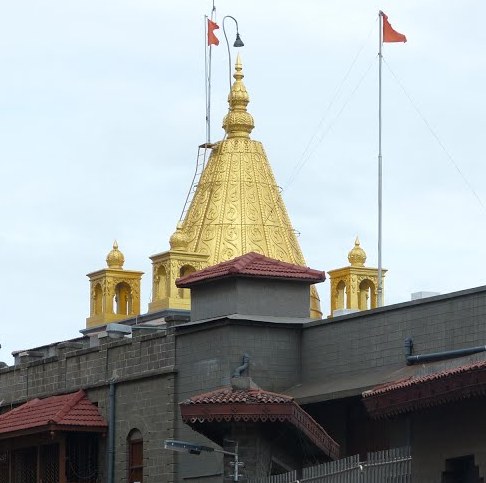
Buty Wada/ Samadhi Mandir (Nameplate, Present Day - 2025)
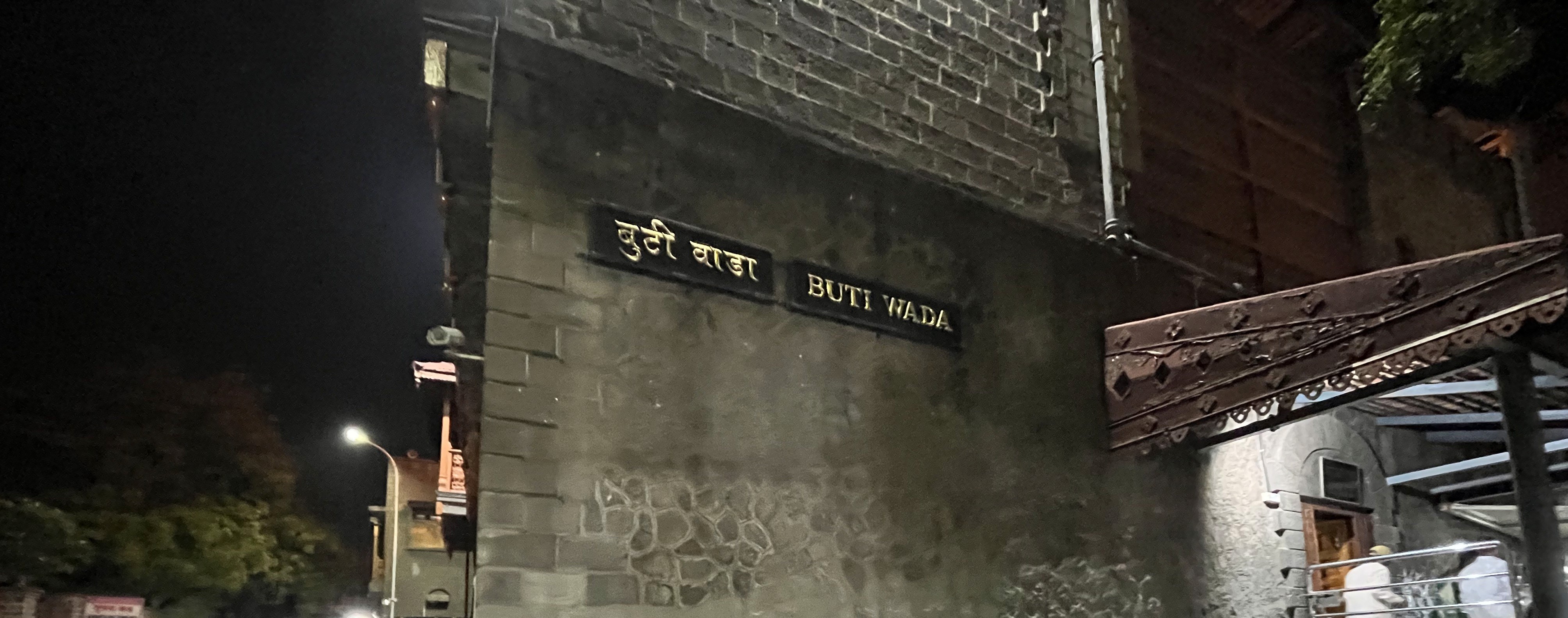
Interestingly, the Butiwada shares architectural similarities with the Butiwada in Nagpur, the very place where Shri Gajanan Maharaj once stayed.
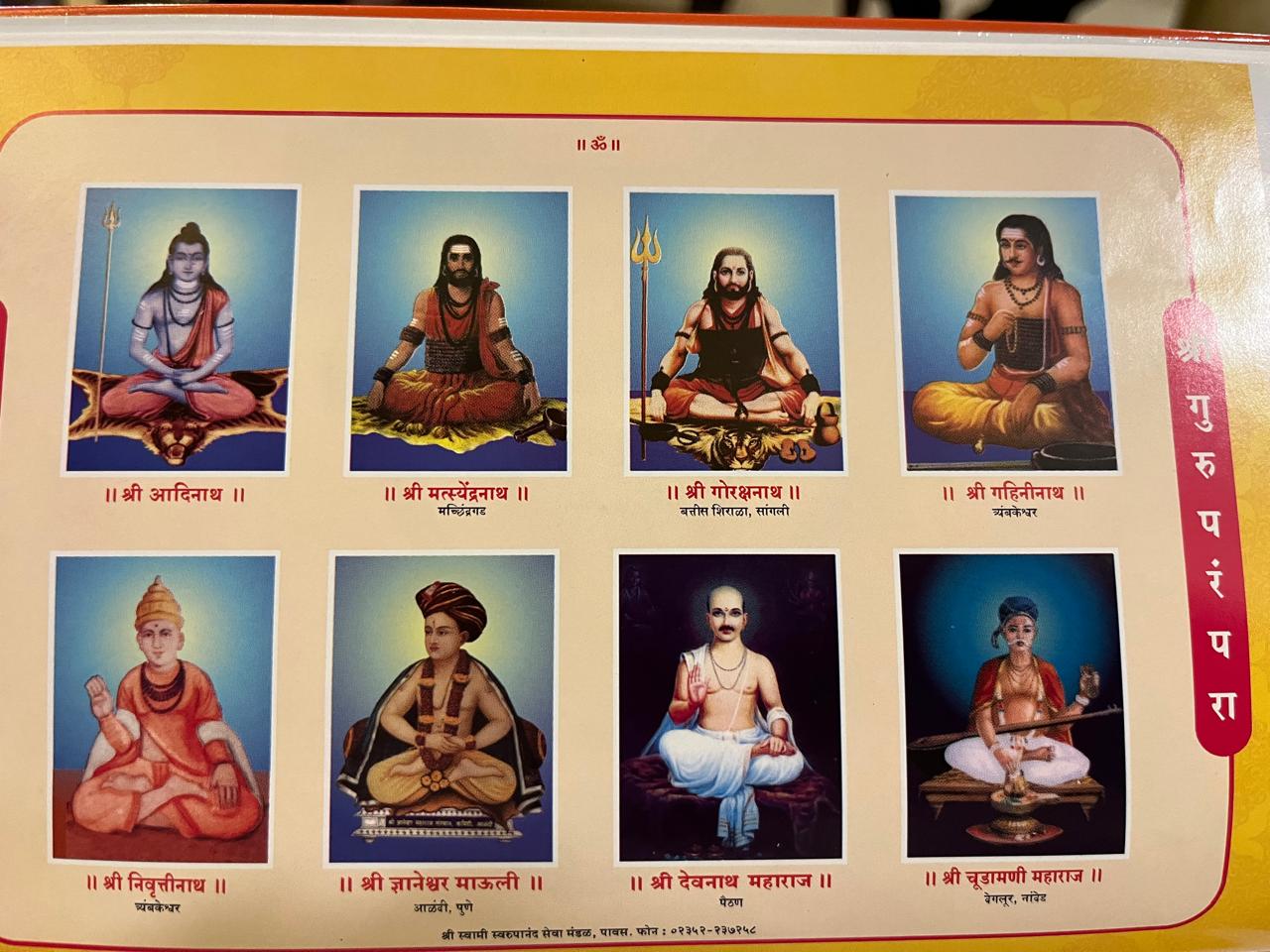
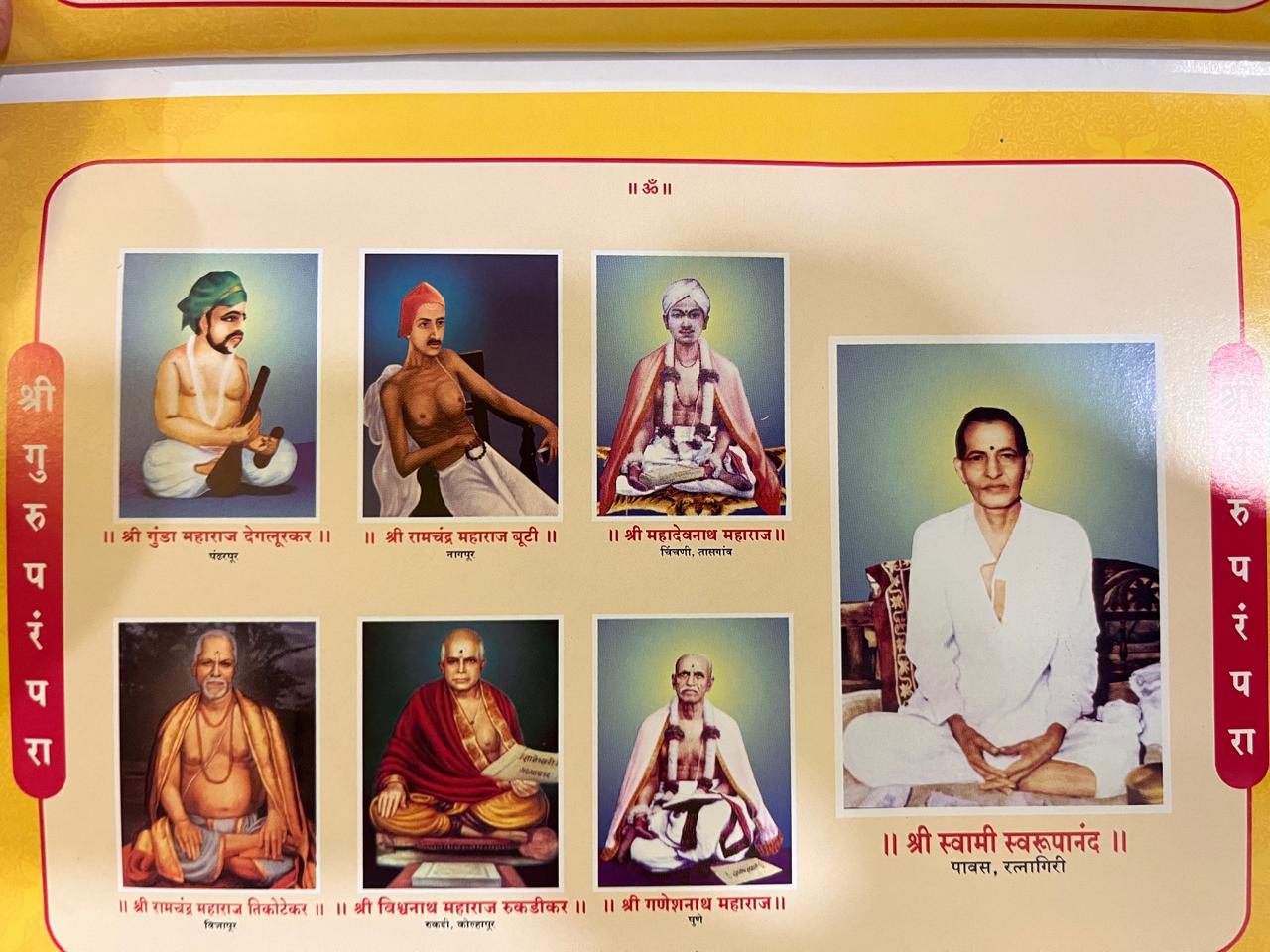
Obtaining Sainthood - Shri Ramchandra Maharaj Buty
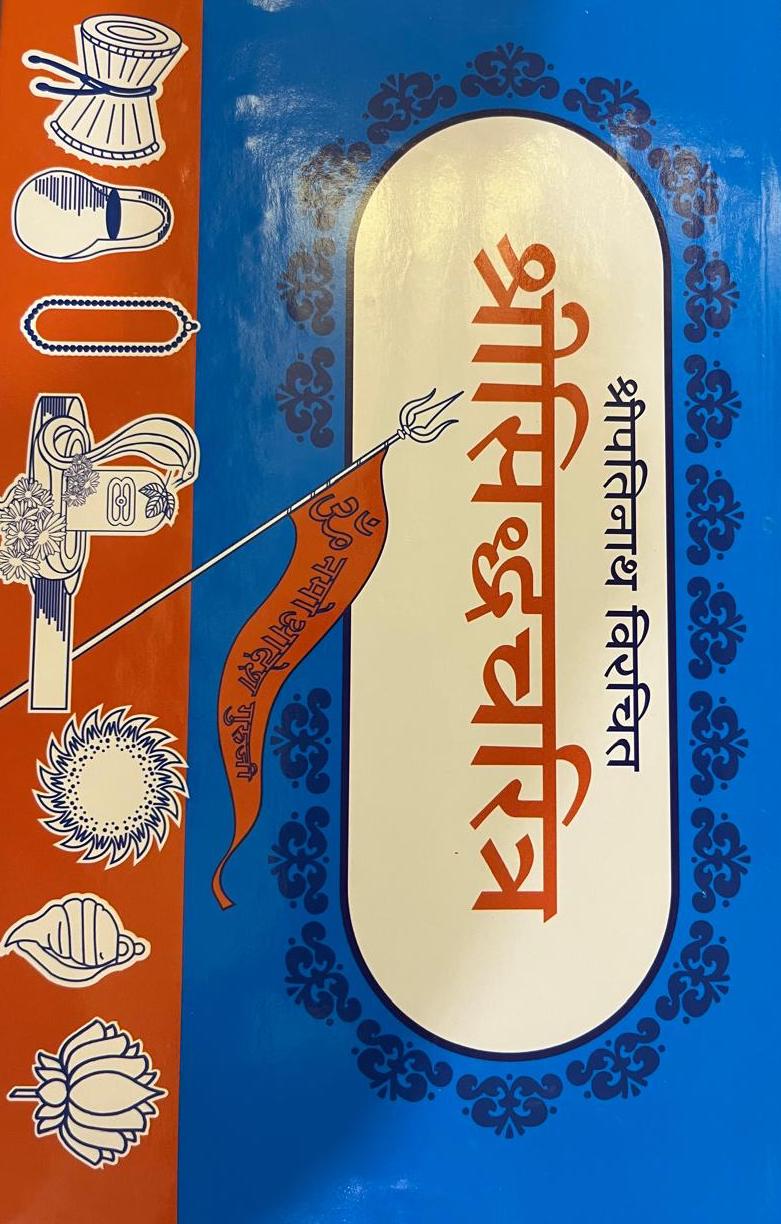
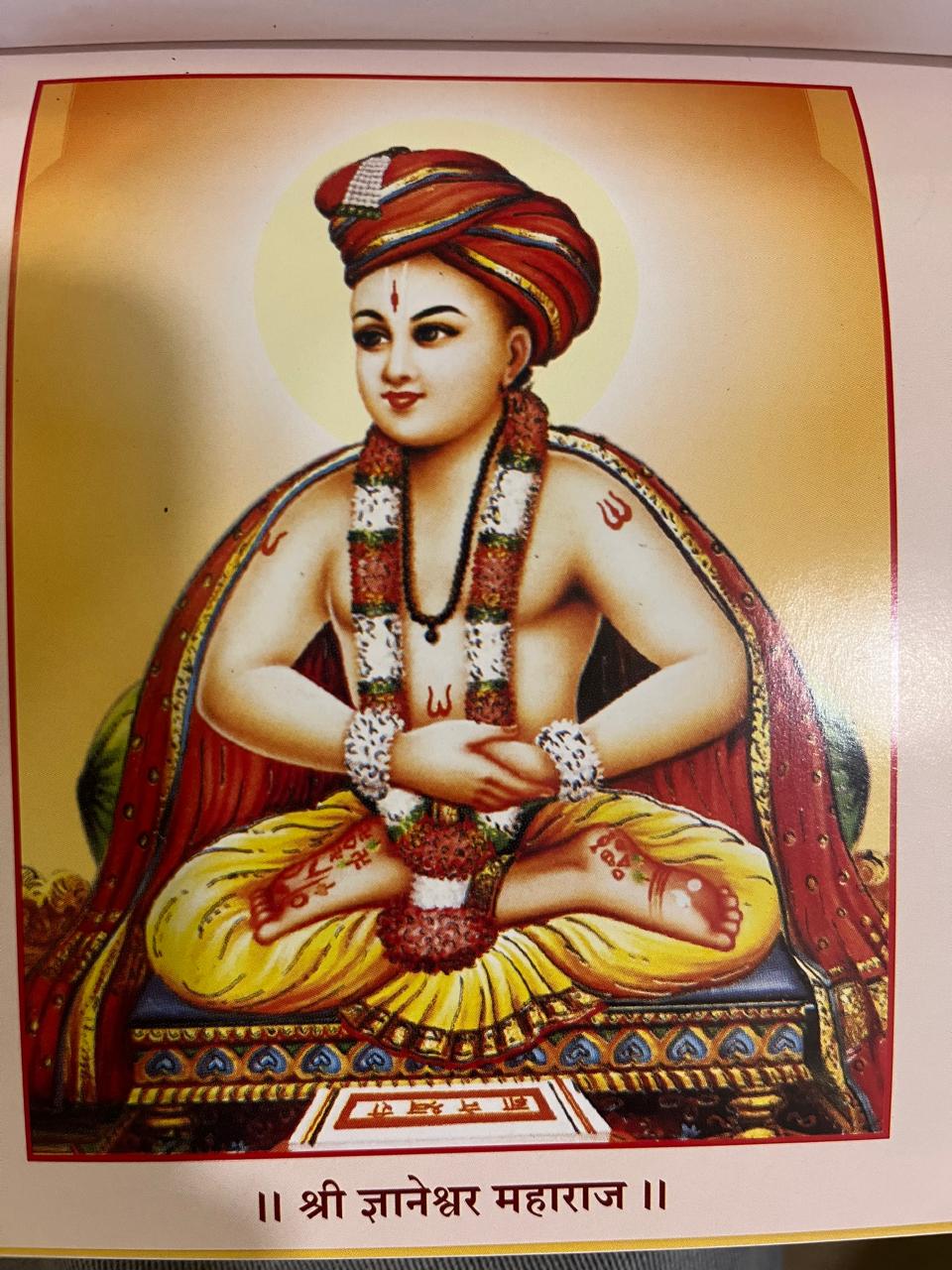
In ShriSiddhaCharitra, written by ShreePatinath he mentions that under the lineage of Shri Dnyanenshwar Maharaj, Shri Ramchandra Maharaj Buty obtained Sainthood.
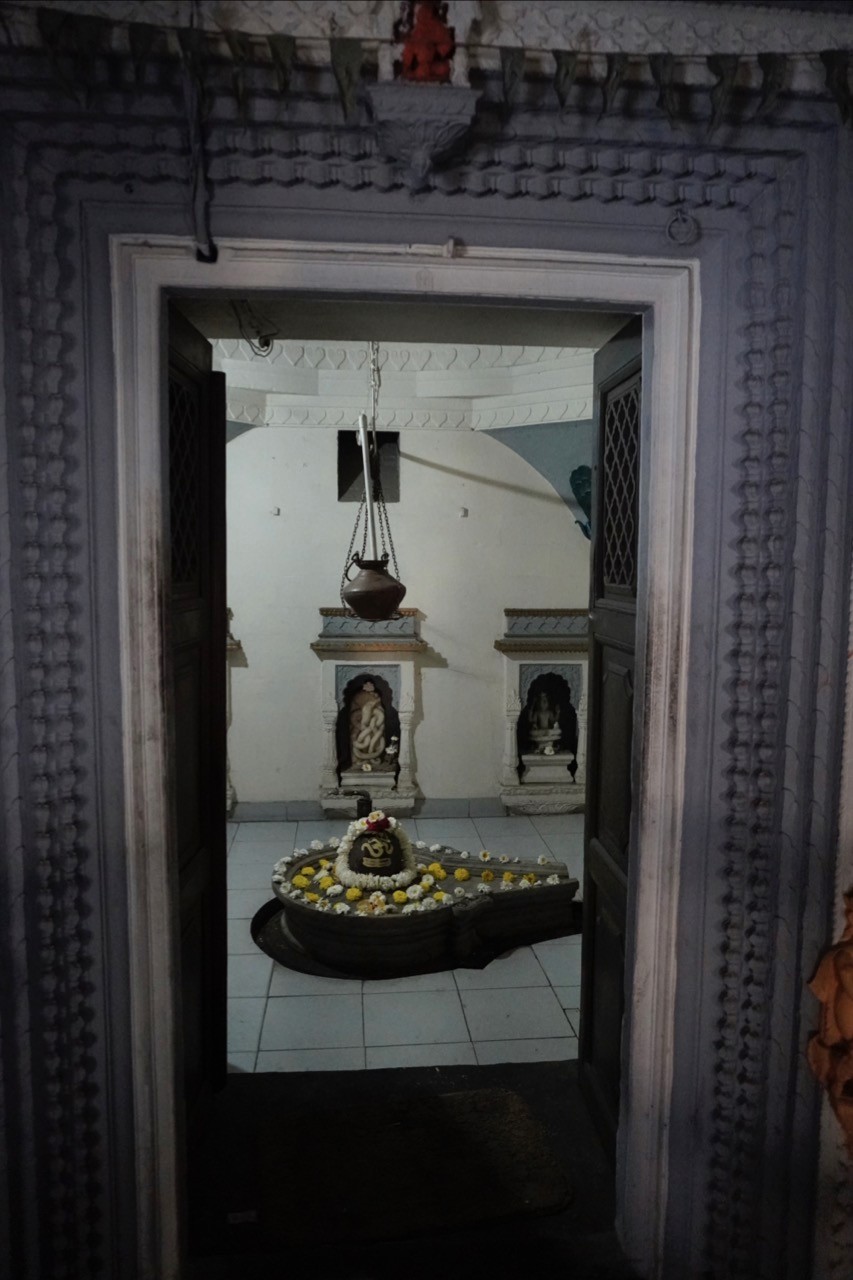
Diwakareshwar Shankar Mandir
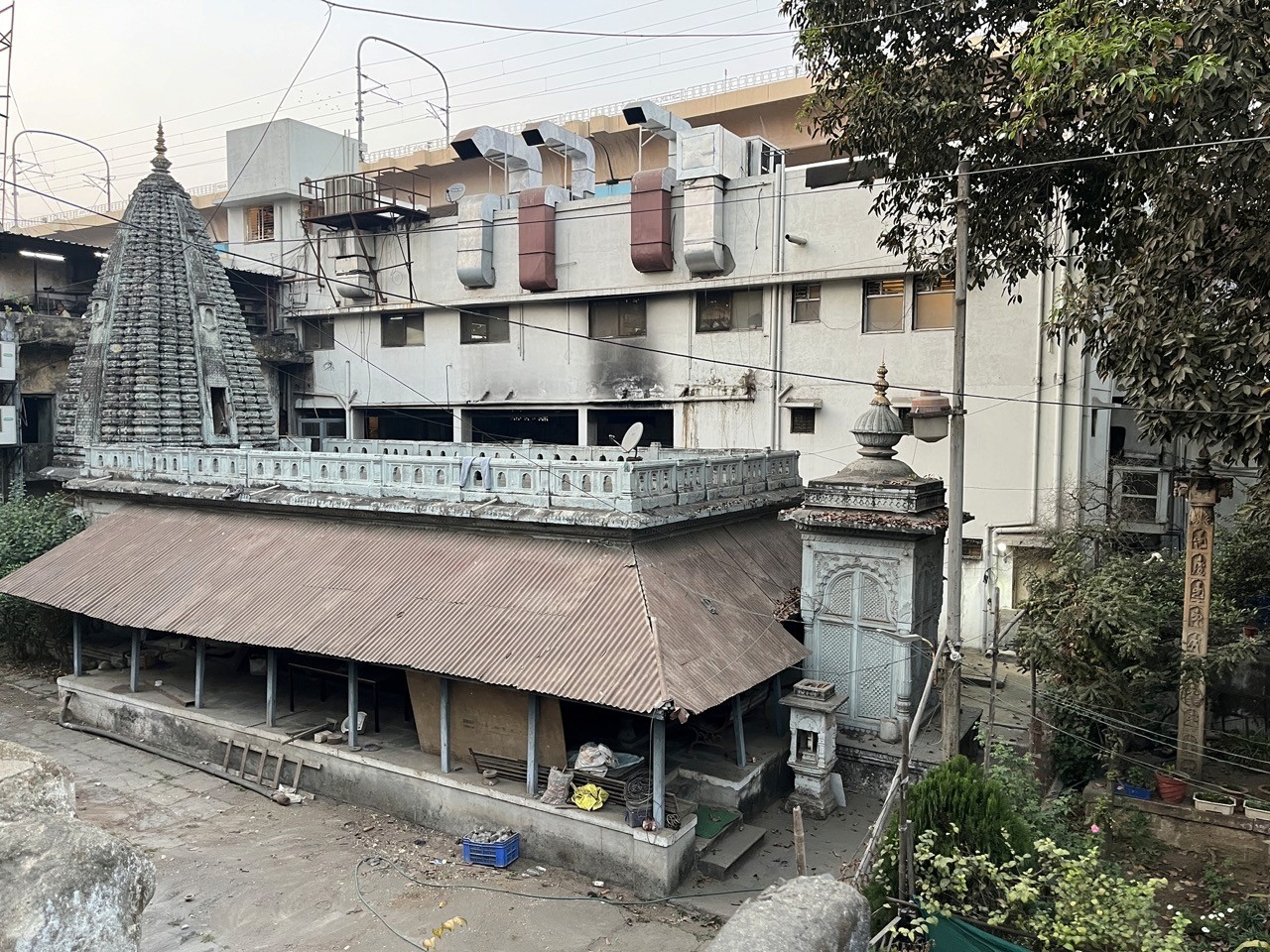
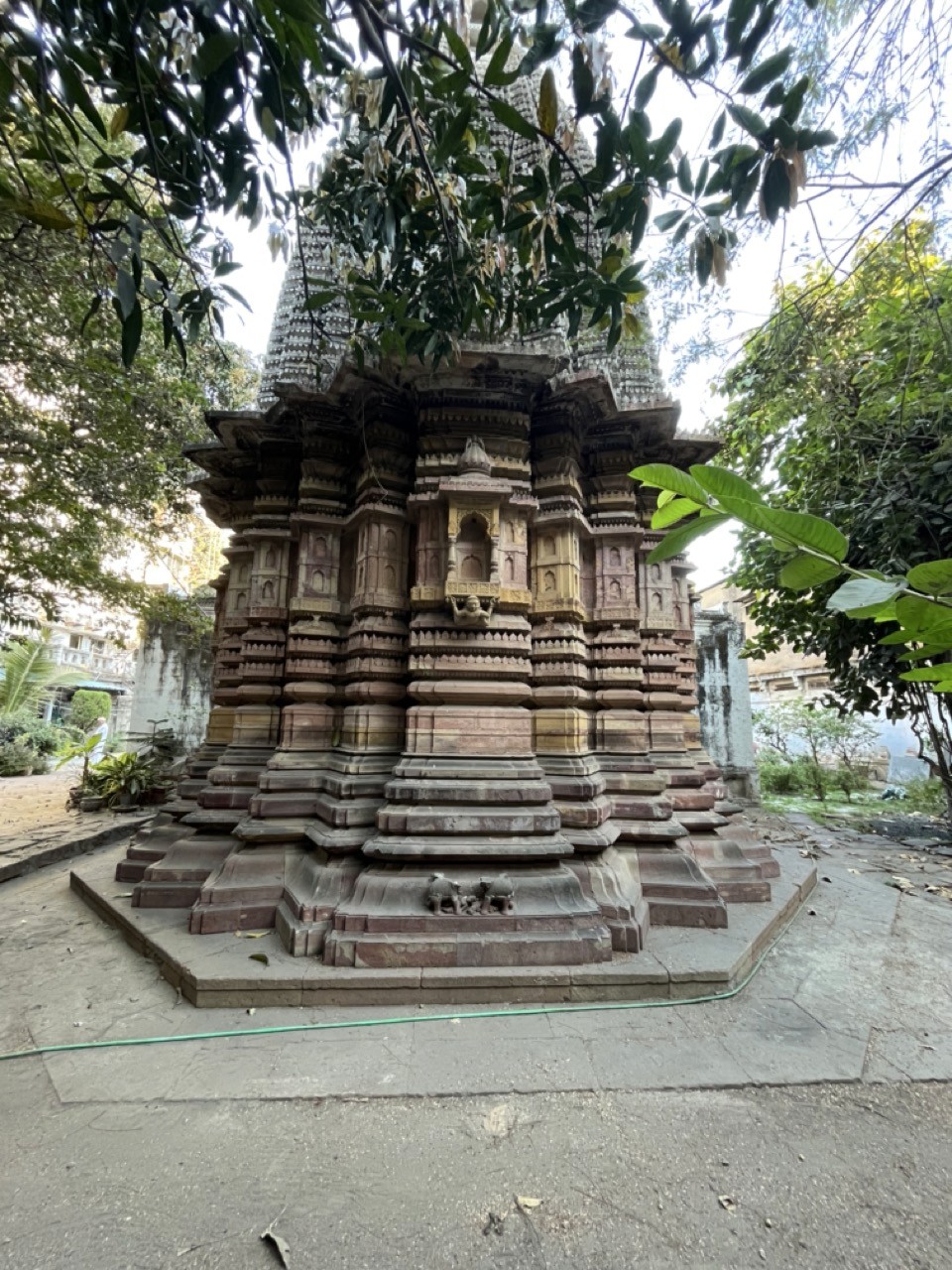
Our ancestors built two temples in the late 1800s, this one and the Muralidhar temple. Both the temples are architecturally similar. The Diwakareshwar Shankar Mandir is privately owned & is not open for public use.
The special quality about these temples is that, architecturally the main shikhar houses 2 inner shikhars, one on each floor. Where the deity is placed on the ground floor (in the Garbhagriha) and a meditation room/ another deity is placed right above the Garbhagriha.
Comparison of their architecture can be seen in the below 2 images:
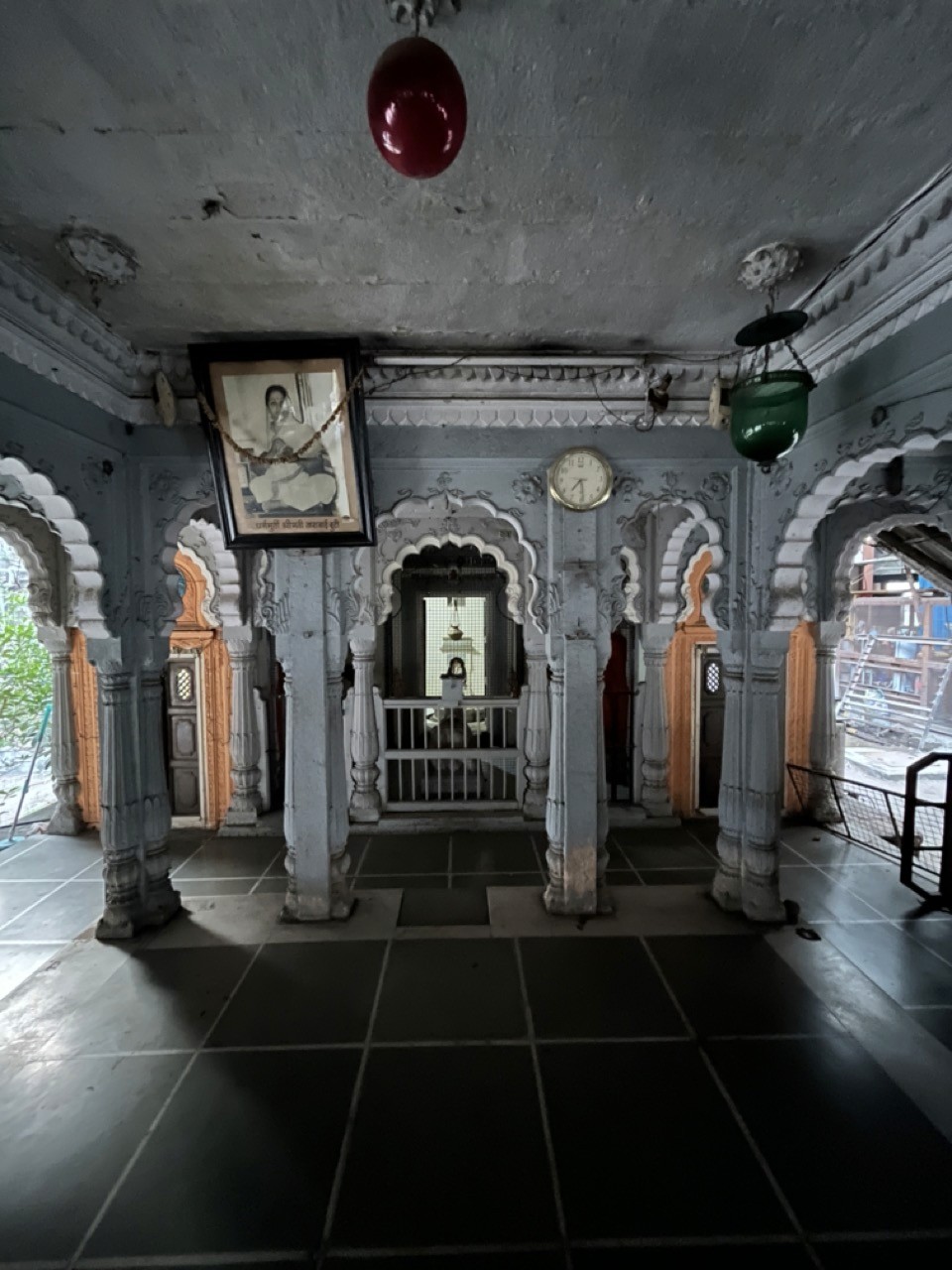
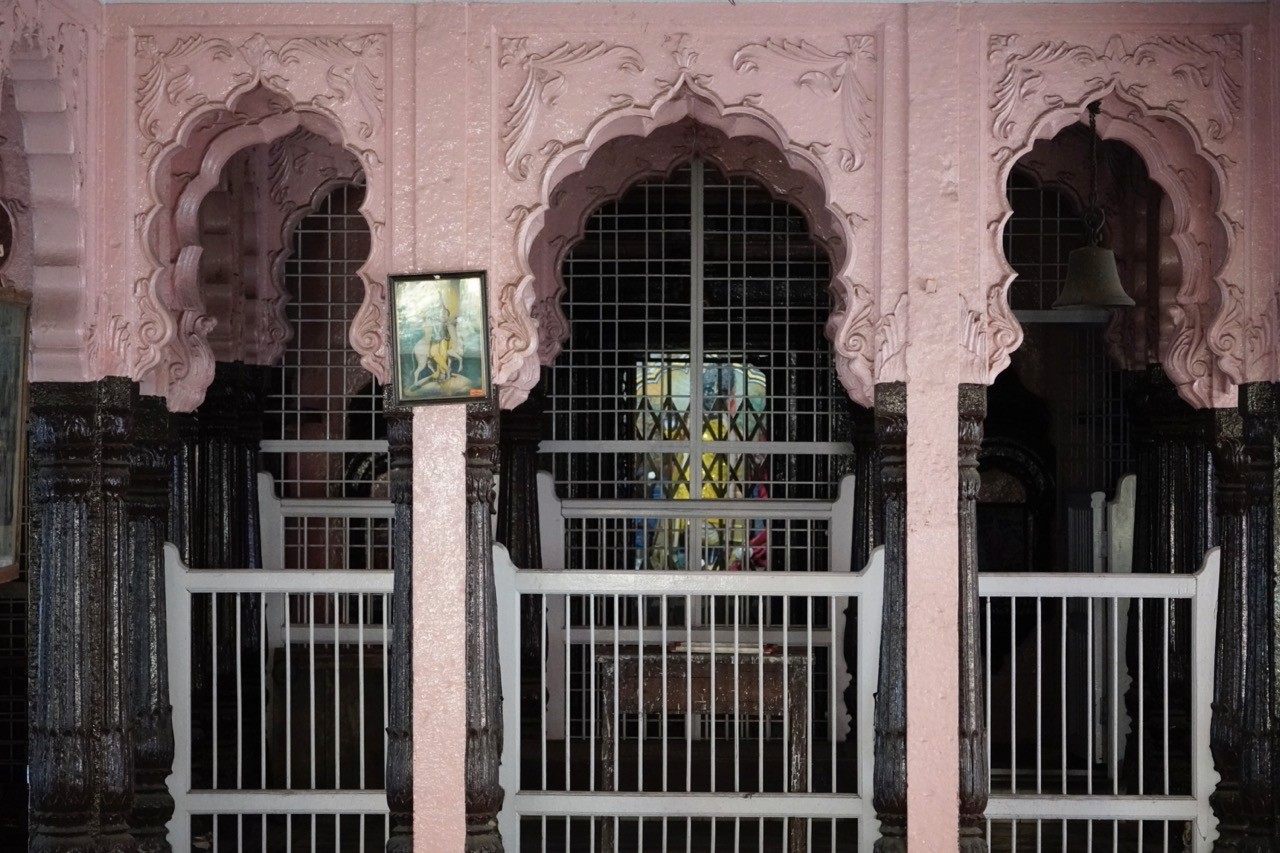
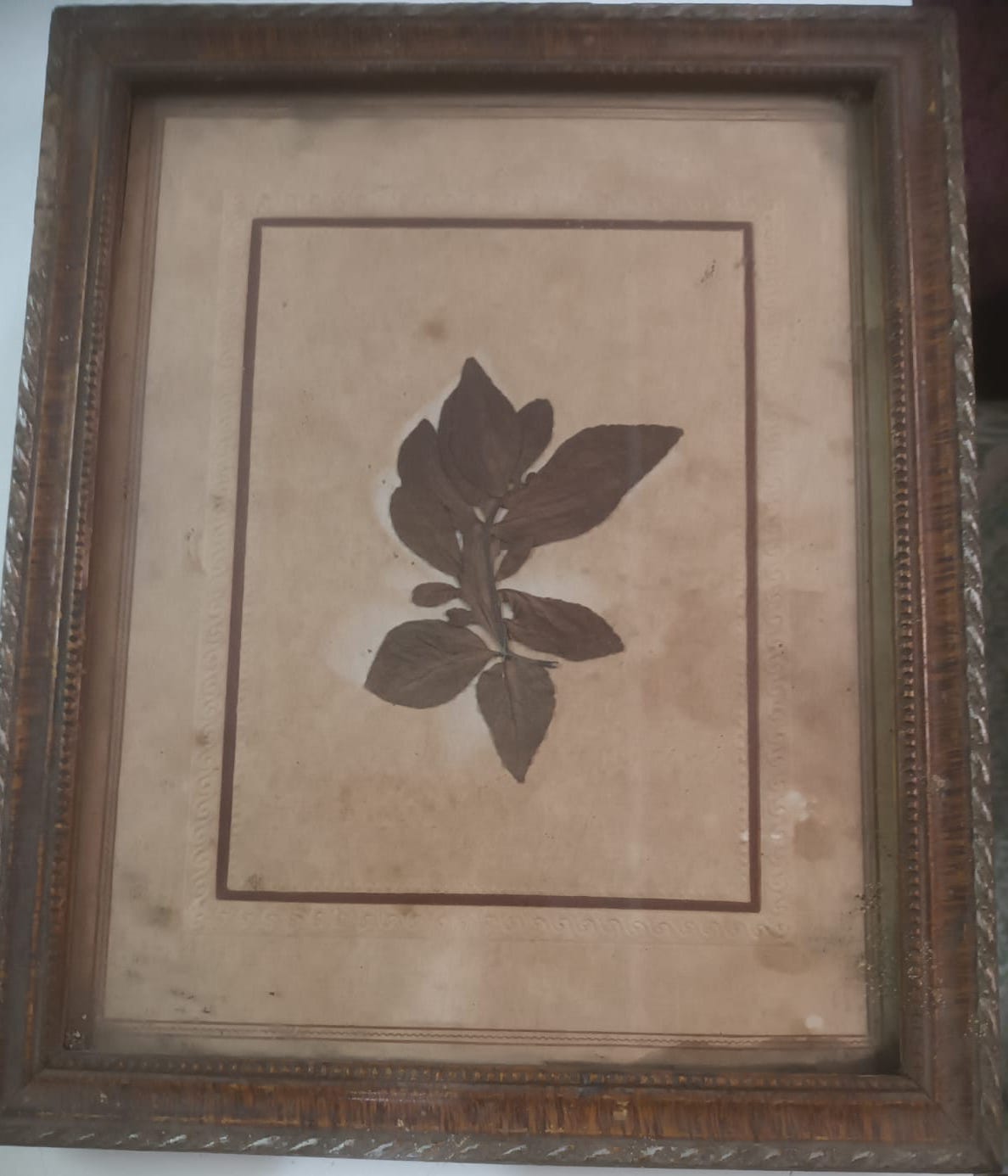
A unique 21-leaved bel leaf, also called Vilva or Maha Vilva, grew in this temple. Such leaves are extremely rare. Revered in Hindu tradition and associated with Lord Shiva, this preserved specimen highlights its unusual form.
Muralidhar Mandir
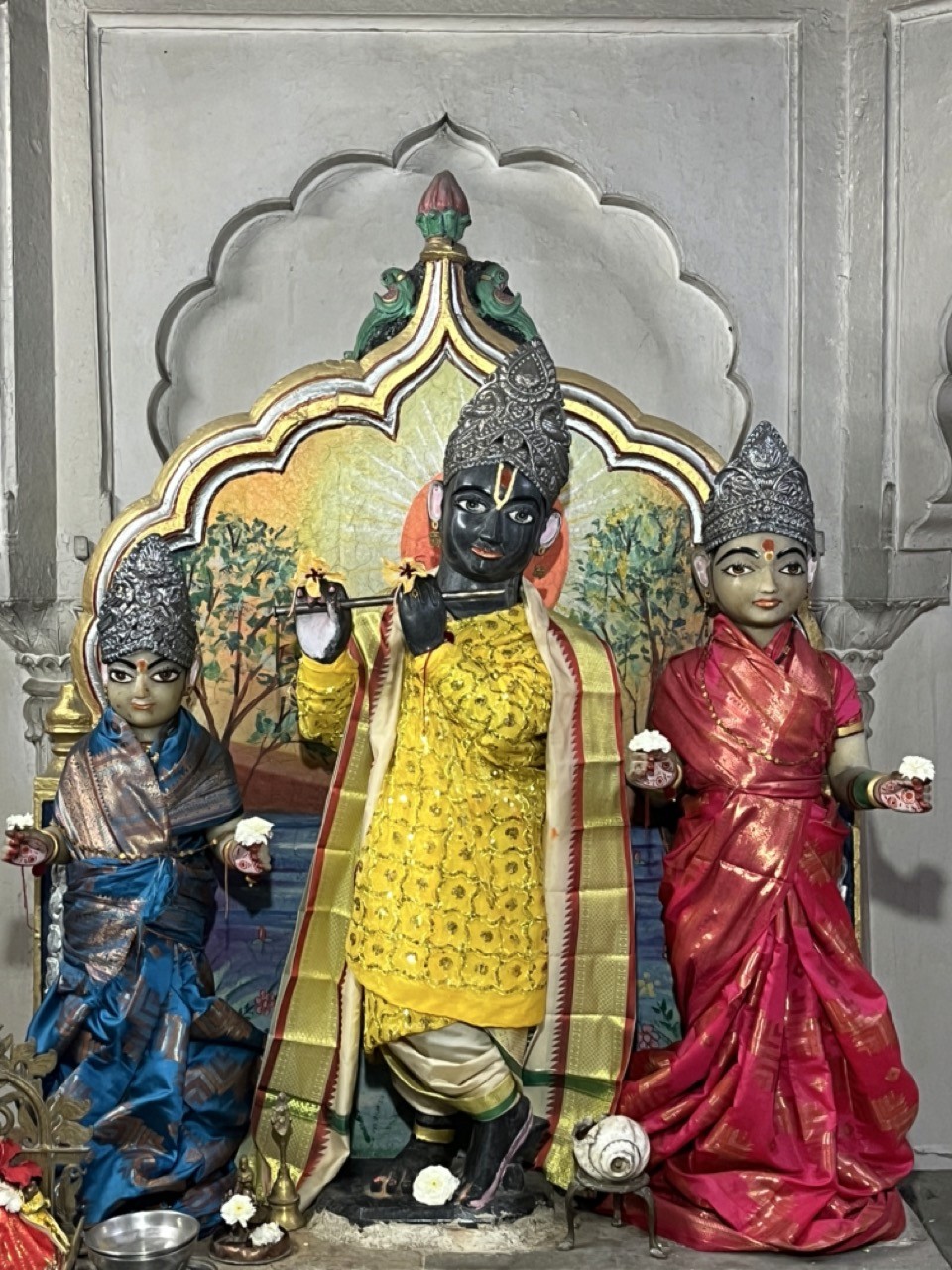
Interestingly the idols are of Gopal Krishna with Rai-Rukmini. Commonly in temples around the world, the statues are of Gopal Krishna with Radha-Rukmini.
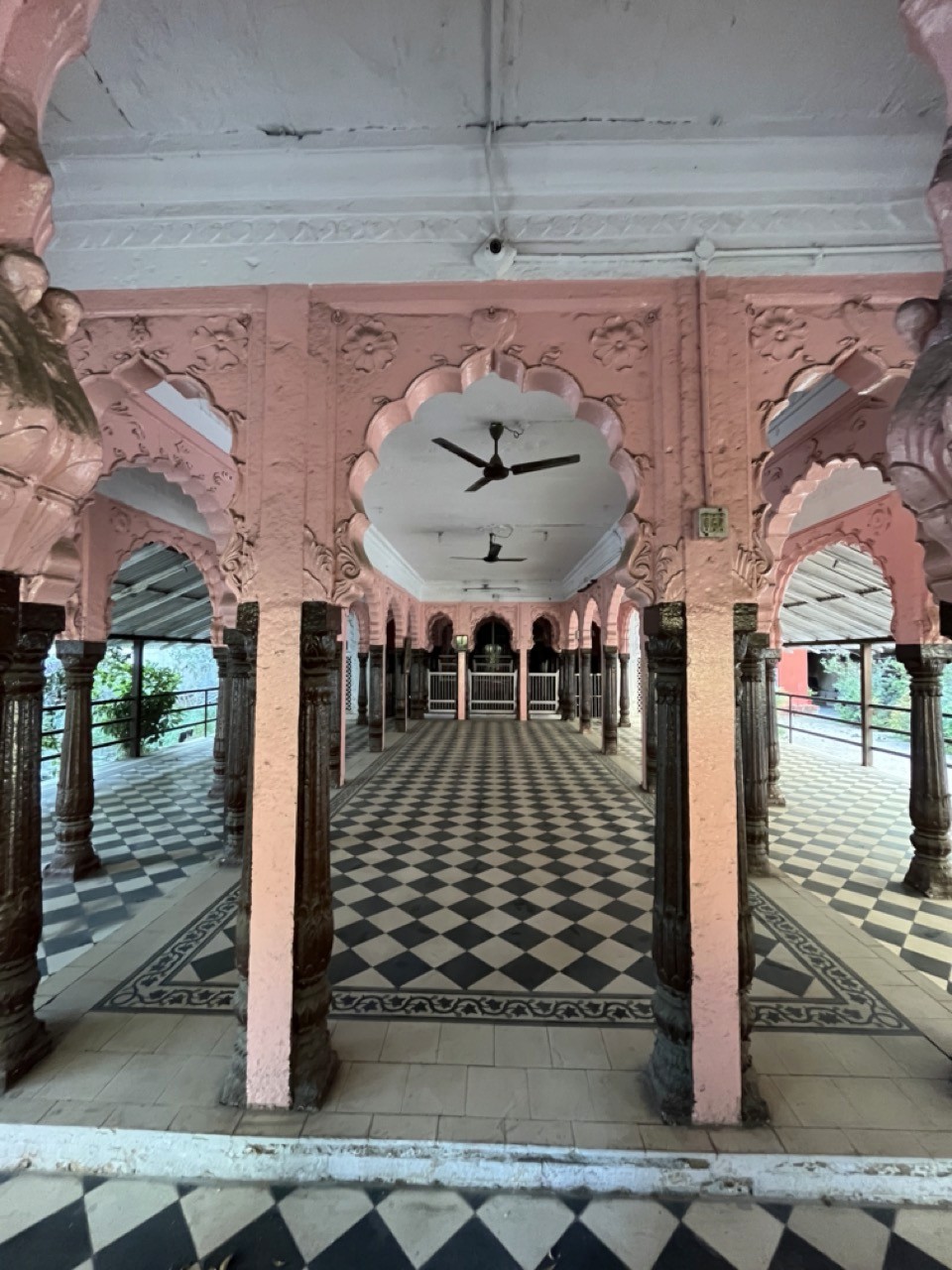
Still intact are the original Italian marble tiles from when the temple was constructed.
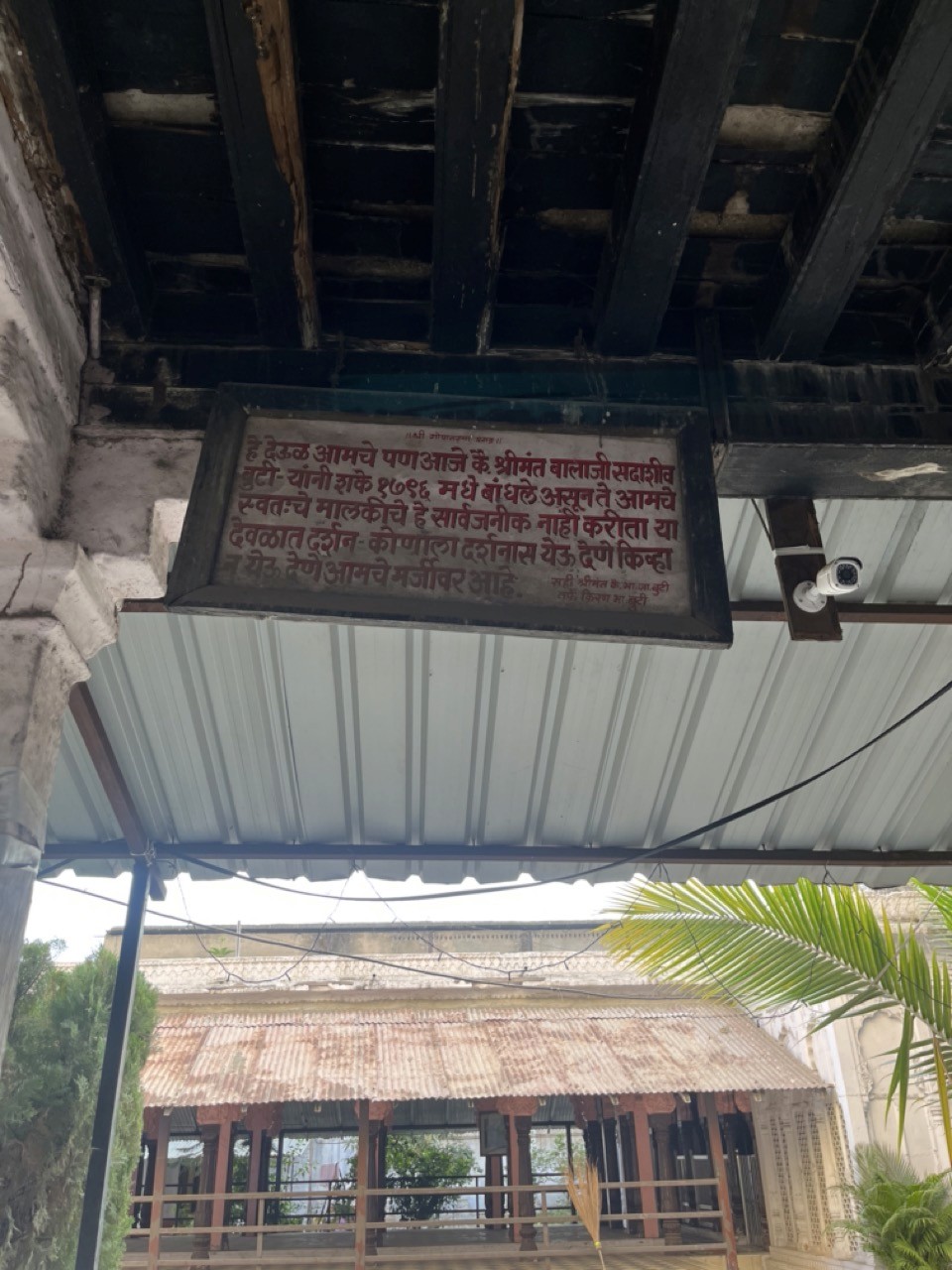
The board reads "This temple being constructed by our great-grandfather Shrimant Balaji Sadashiv Buty in shaka 1796, it is privately owned by us and is not a public temple, so we have the right to grant or deny entry to anybody into the premises."
*Shaka 1796 translates to 1874 of the English calendar.
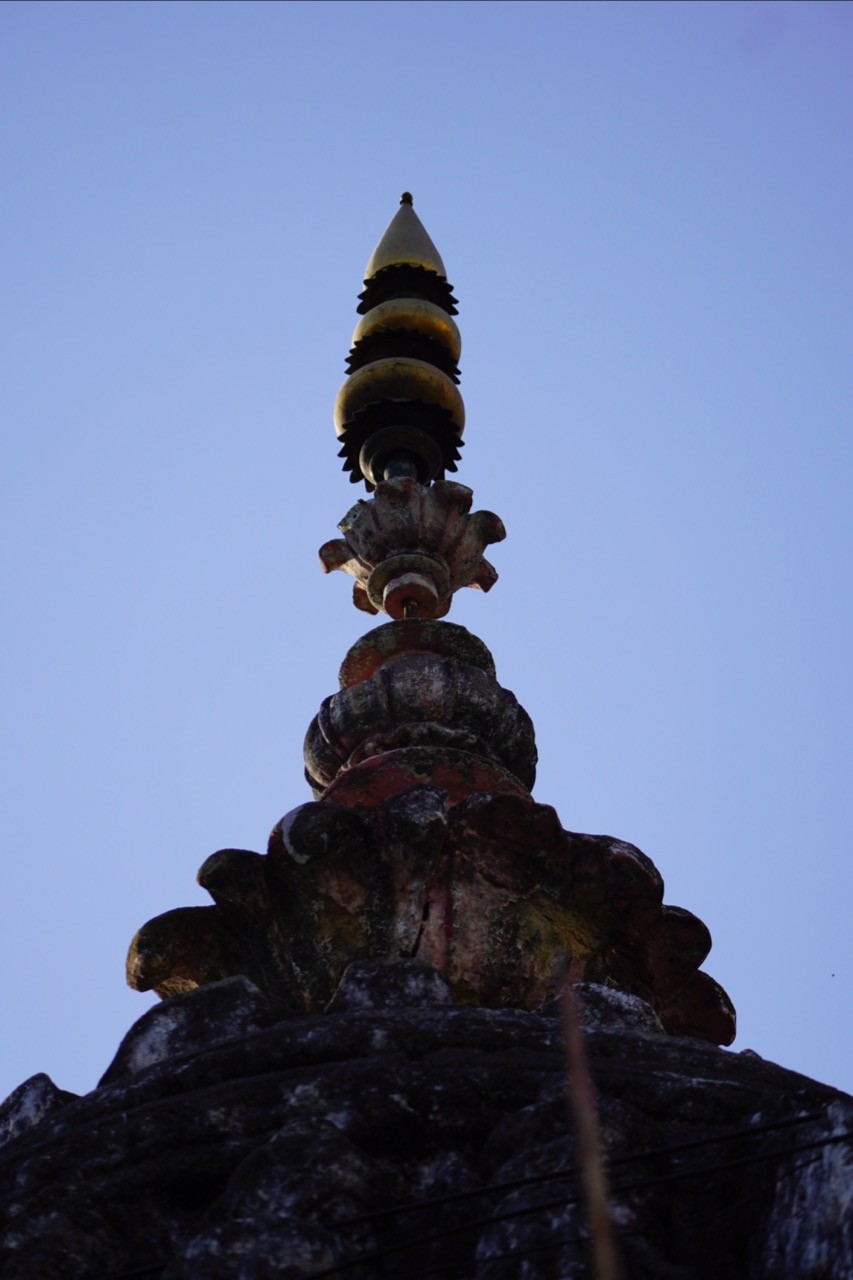
The shikhar of the Muralidhar temple.
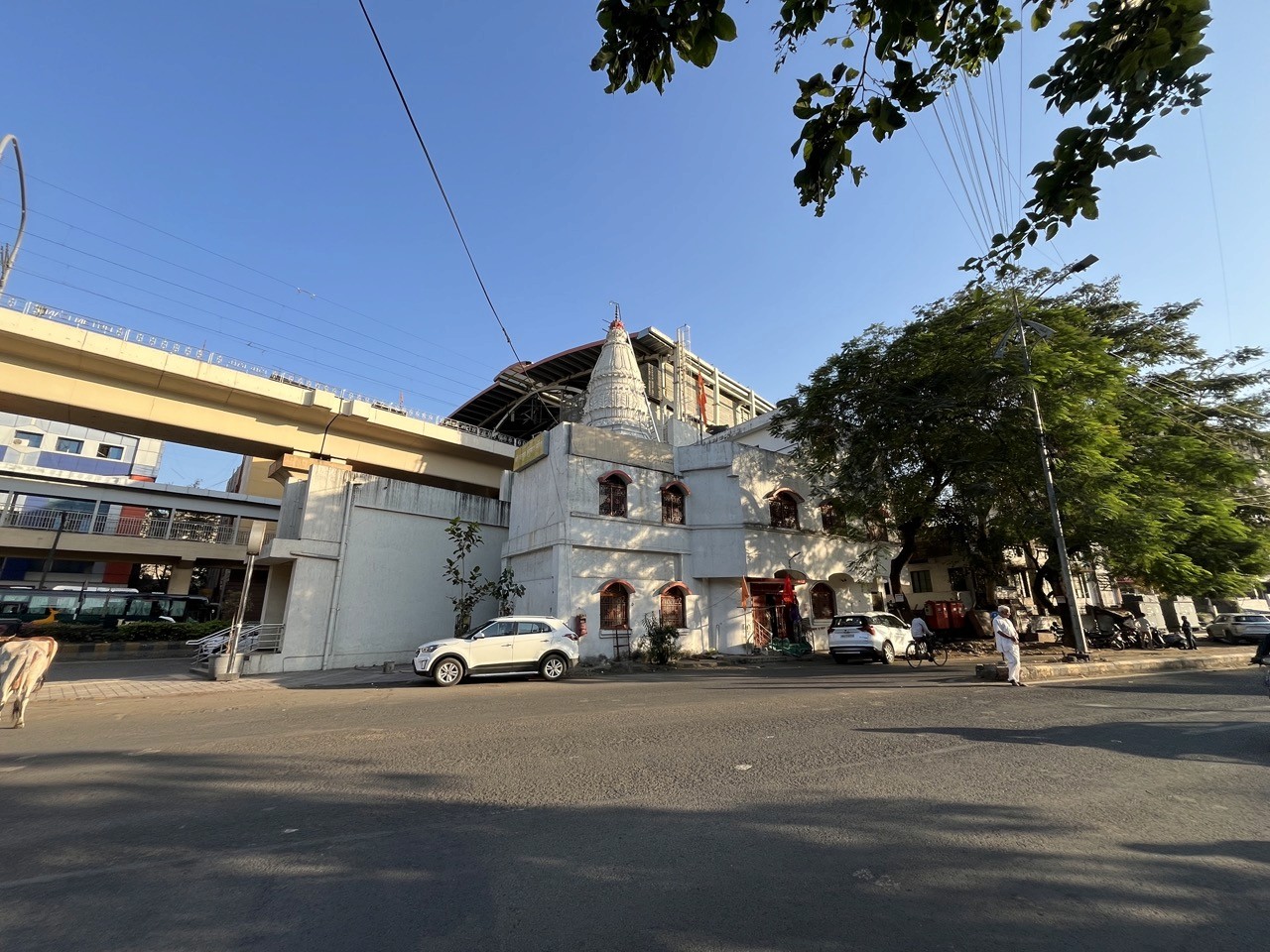
Hanuman Mandir, Ajni
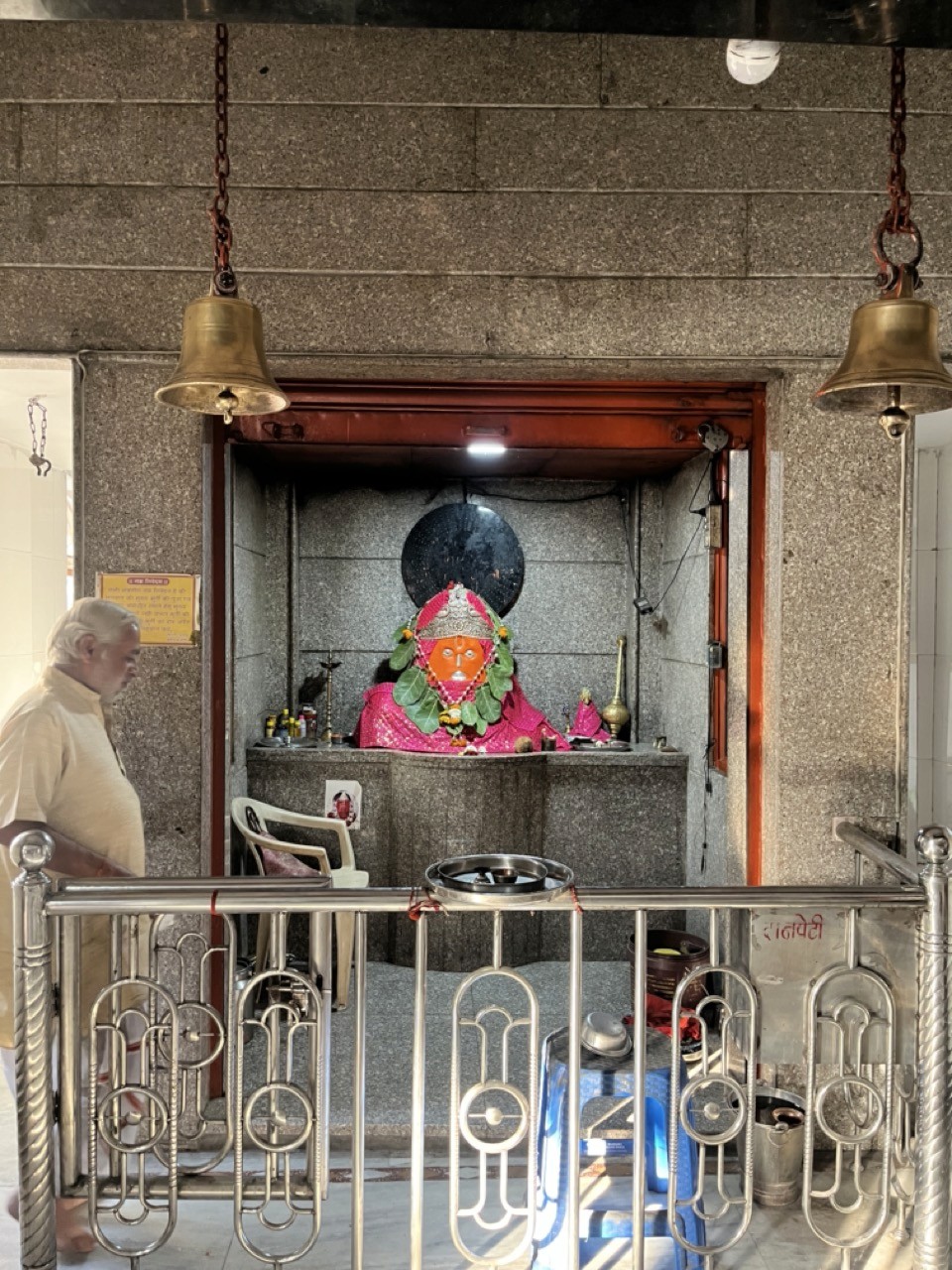
This Hanuman temple earlier was surrounded and in-between farmlands. It is beleived that land should have their own deity or vice-versa, so that the deitys (Hanumans) pooja remains unaffected when a child is born or death in the family may have occurred (a common practice in hindu households). The farmland was later acquired by the govt under the land ceiling act from where the NH 47 passes and in more recent times Asia's longest multi-layer via duct is constructed on.
Also visit:

© Ameya Buty 2025
Website created & managed by Ameya Buty